
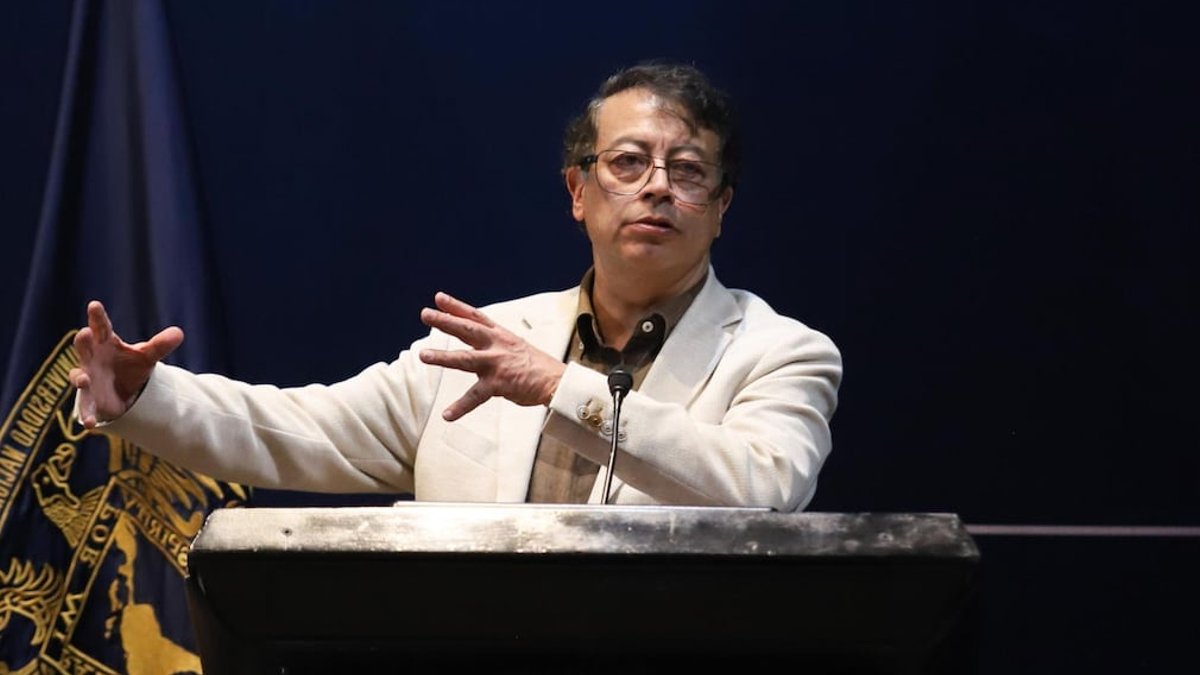
Former Colombian President Gustavo Petro warned that Mexico faces risks of electoral manipulation through algorithms and digital authoritarianism in the 2027 midterm elections. He shared these concerns during a lecture at the National Autonomous University of Mexico (UNAM). The event, his first trip outside Colombia since leaving office, filled the university’s auditorium with students and academics in Mexico City.
Petro claimed the recent presidential victory of Abelardo de la Espriella resulted from interference by digital systems. He stated that the U.S. Department of State, under Marco Rubio’s leadership, tracked the alleged use of two million bots during Colombia’s election. The former president also noted that Donald Trump had publicly acknowledged his role in the political shift, saying the current Colombian president owed his position to these efforts.
This analysis positioned Mexico and Brazil as key targets for similar tactics. Petro predicted digital interference would affect Brazil’s general elections this year and Mexico’s midterms in 2027. He called the existing political system deeply flawed and expanding in ways that threaten democracy.
Meeting with the Mexican President
The lecture started nearly two hours late after Petro met with Mexican President Claudia Sheinbaum at the National Palace. Details of their discussion remained private, but Petro later said they talked about progressive policies and human-centered governance.
Sheinbaum invited him to help coordinate academic efforts in Mexico. Petro declined, explaining he would stay in Colombia to focus on his political work, including leading the “Gabinete por la Vida” with opposition leader Iván Cepeda.
Related: Ax-Elote Festival Returns to Mexico City 2026
During his speech, Petro discussed the final chapter of his book, “Economía política de la crisis climática,” published by the Fondo de Cultura Económico. He criticized capital accumulation and neoliberalism as forces pushing humanity toward extinction. His remarks also targeted technology executives like Mark Zuckerberg and Elon Musk.
While his allegations about election interference depend on his interpretation, they reflect broader concerns about democratic vulnerabilities. Automated systems designed to shape public opinion create new challenges for election oversight. If algorithms, rather than transparent voting, decide elections, the foundation of citizen accountability could weaken.
The speech ended his public events in the city. His visit included meetings with left-wing figures such as former Ecuadorian President Rafael Correa and writer Paco Ignacio Taibo II, reinforcing its role in regional political discussions.
Petro’s warnings align with growing debates over digital influence in elections. Trusts have already moved to address delays in other areas, showing how institutions adapt to new threats.


Leave a Reply