
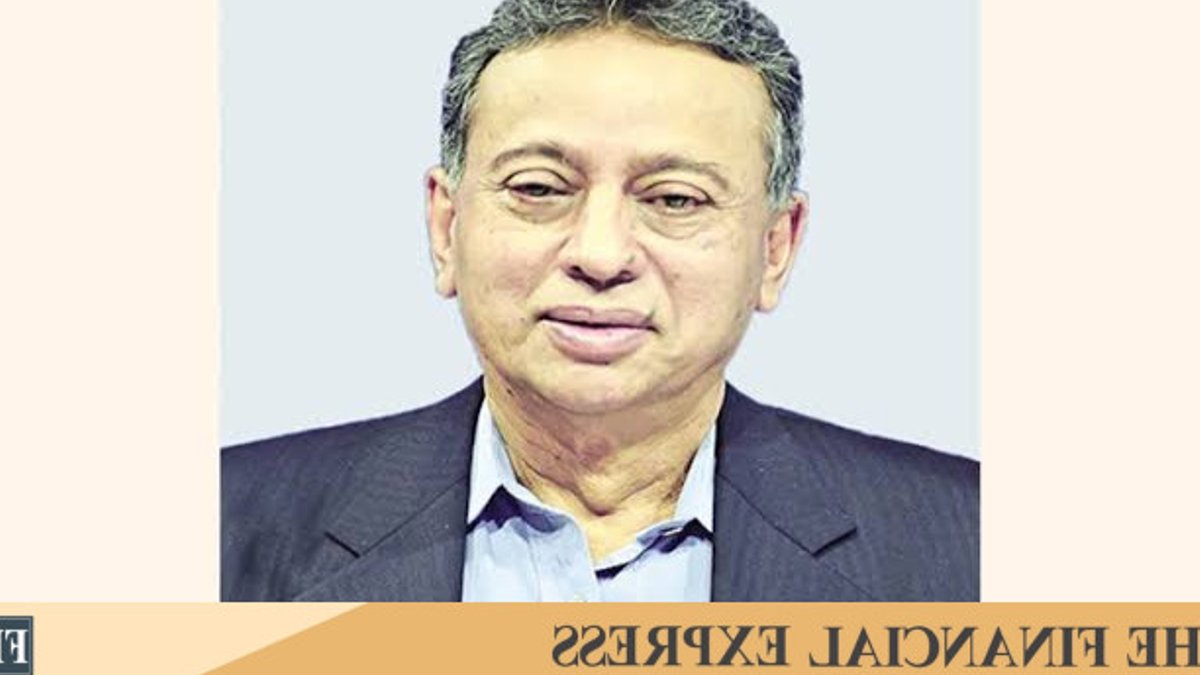
The success of Bangladesh’s national budget depends on effective execution, Finance Minister Amir Khosru Mahmud Chowdhury stated Thursday. He urged officials to move beyond traditional methods to achieve results.
During his first meeting with Finance Division officials, Khosru acknowledged that the budget—prepared over nearly two months—has received widespread praise. However, he emphasized that a well-designed plan is only the first step.
“A well-prepared budget alone is not enough. Its real success depends on how well it is implemented,” he said.
The minister expressed confidence that coordinated efforts within the division would translate the fiscal blueprint into tangible outcomes. Finance Division Secretary Dr. Khairuzzaman Mozumder led the session.
Related: BlackRock’s $2 Trillion Private Credit Play Explained
Khosru also called for a change in how the public perceives bureaucracy. He argued that teamwork could address any challenge and encouraged officials to replace outdated methods with fresh approaches to keep up with global shifts.
Meetings, he added, should not be rigid. They should allow for open, spontaneous input from officers. A workplace culture built on free discussion, collaboration, and creative problem-solving would function more effectively, he noted, focusing on solutions rather than just identifying issues.
He also highlighted the importance of timely feedback from different division wings to refine policies and decisions. Describing the Finance Division as central to the country’s economic management, Khosru urged officials to perform their duties with professionalism and commitment.
Later, addressing reporters after a meeting on Cox’s Bazar’s integrated development plan, the minister explained that the government is developing a detailed strategy to turn the coastal district into an international tourism destination. Officials are reassessing long-standing development restrictions, including 50-meter and 500-meter buffer zones in coastal areas, to balance growth with environmental protection.
Khosru stressed that hotels, resorts, and recreational facilities must be built without harming conservation efforts. “Where tourism expands, infrastructure must follow. But we cannot sacrifice the environment,” he said.
Related: Oakbrook Introduces Smarter Debt Consolidation Loans
The government’s vision for Cox’s Bazar includes major infrastructure upgrades: an international airport, railway connectivity, and improved road links from Chattogram. These projects, he said, would be combined to create a modern, digital tourism city.
He linked the district’s development to Bangladesh’s goal of reaching a $1 trillion economy by 2034, identifying Cox’s Bazar as a key driver through expanded tourism, trade, and services.
The minister’s focus on execution suggests concerns about whether ambitious plans will materialize. Past budgets have frequently faced spending delays, with funds remaining unused while development targets fall behind. Breaking this pattern could improve the current budget’s chances of success.
The immediate priority is turning policy into action.


Leave a Reply