
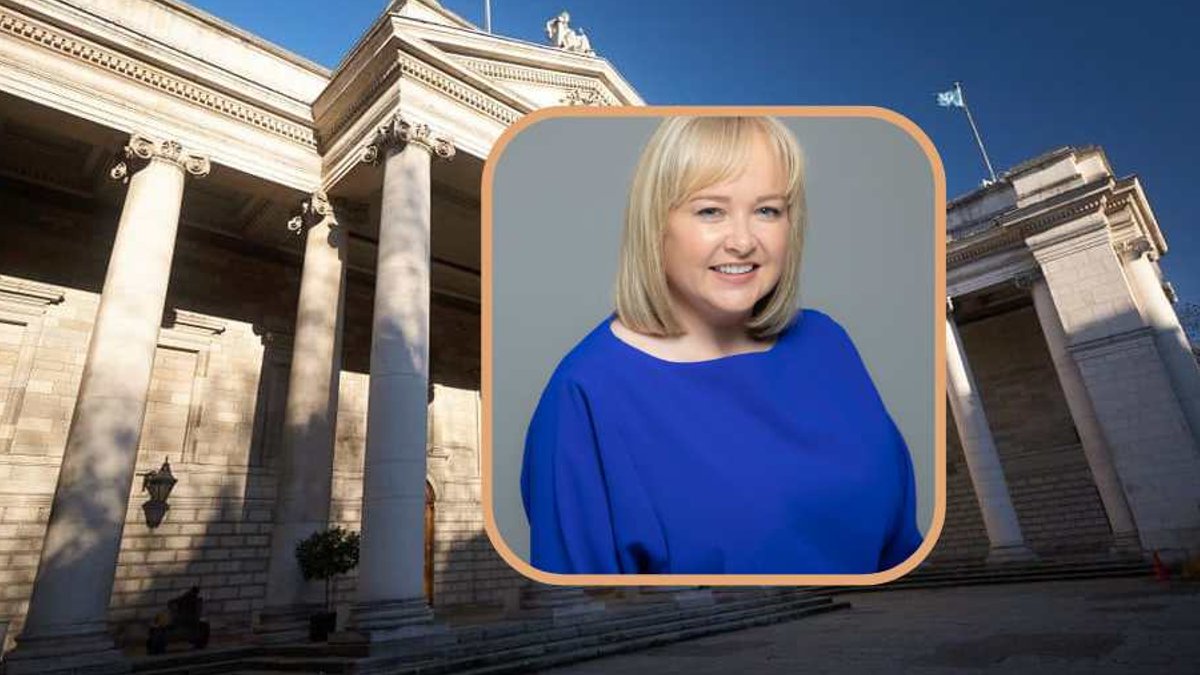
June Butler, head of Corporate and SME Banking at Bank of Ireland, is set to address the Dargan Forum on June 24-25 in Dun Laoghaire. The event will focus on climate action, technological change, and economic uncertainty. Ahead of her keynote speech, Butler discusses how Ireland’s business world can thrive in the years ahead, emphasizing the need for balanced, sustainable growth.
Butler, who returned to Bank of Ireland this year after serving as CEO of the Strategic Banking Corporation of Ireland, leads a team of 200 colleagues supporting over 3,000 businesses across Ireland. She highlights the need for sustainability strategies to deliver tangible economic results, stating, “If we want balanced, sustainable growth, businesses need the tools to succeed wherever they are based.”
Turning sustainability plans into action
Butler identifies the main obstacle to effective sustainability strategies as the challenge of turning plans into action. While most businesses recognize the importance of sustainability, many lack a clear roadmap or struggle with costs and returns. In Ireland, only about one-third of SMEs have a structured sustainability plan in place. She notes that rising costs and margin pressures often push sustainability decisions to the backburner, even when long-term savings are possible.
To address this, Butler emphasizes the need to simplify the process. This includes making investment more accessible through initiatives like Green Business Loans, which help businesses invest in energy efficiency and renewable technology while reducing costs. Tools like the Sustainable Business Coach provide practical steps for SMEs, helping them understand their current position and next actions. Butler also stresses the importance of linking sustainability with growth, ensuring businesses see it as a core decision rather than an optional extra.
Rethinking resilience for Ireland’s future
Butler argues that Ireland’s approach to resilience has been too defensive, focusing primarily on risk mitigation. She proposes a proactive, opportunity-led approach that positions Ireland to benefit from change rather than merely absorb it. This involves leveraging existing strengths, such as digital capability and a robust SME base, while investing in future-ready infrastructure.
Ensuring Inclusive Growth in Ireland’s Transition
Butler highlights the risk of some businesses and communities being left behind in the green and digital transition. Smaller businesses, those outside major cities, and traditional sectors face higher costs, uncertainty, and limited resources. She points out that many SMEs invest cautiously, often relying on their own cash rather than borrowing, which could widen economic disparities if not addressed.
Many SMEs, despite available funding, tend to invest cautiously, relying on their own cash. This cautious approach could widen economic disparities if not addressed. Targeted support and partnerships are essential to ensure these businesses can access funding, receive practical advice, and develop competitive skills. Butler shows the need for real partnership to ensure gains are shared widely.
Bank of Ireland’s Role in Supporting SMEs
Bank of Ireland plays a key role in driving economic growth, particularly for SMEs. The bank supports businesses through three main avenues: providing necessary funding, aiding decision-making, and bolstering regional economies. Through initiatives like the SBCI Growth and Sustainability Loan Scheme, Bank of Ireland helps SMEs invest in their future. Sector teams and relationship managers work directly with businesses to handle complex decisions. Additionally, the bank ensures that investment reaches SMEs in both urban and rural areas, supporting balanced growth across Ireland.


Leave a Reply