
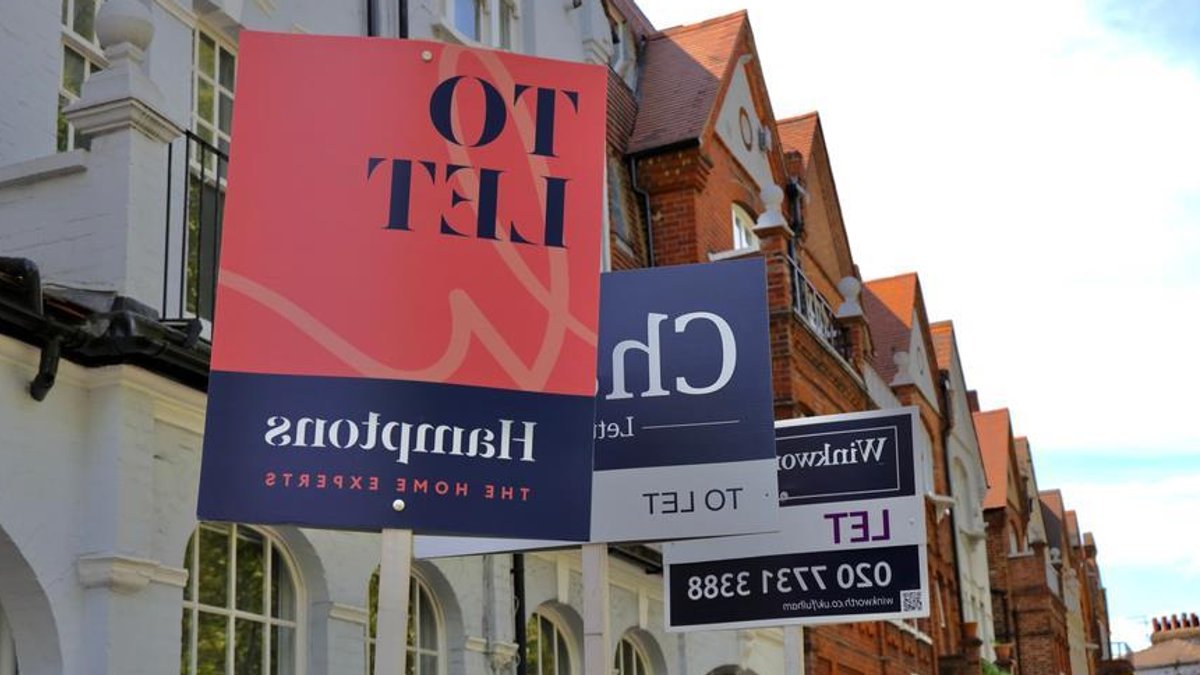
Future retirees who rent their homes could see their entire workplace pension savings consumed by housing costs, new research indicates. The findings show that without changes, auto-enrolment pensions—intended to supplement retirement income—may cover only rent for millions.
Pensions may not stretch beyond rent
Consultancy Hymans Robertson examined the financial outlook for retirees who rent. The analysis revealed that those depending on the minimum 8% auto-enrolment pension contribution from age 22 would need every penny just to pay for housing later in life. That leaves almost nothing for other living expenses, with the state pension expected to handle the rest.
Calum Cooper, partner and head of pensions policy innovation at the firm, described the situation as a risk for a “lost generation.” He stated that workplace pensions were created to provide extra income in retirement, not to fund rental costs alone.
The research highlights whether the current system can ensure decent outcomes for retirees who don’t own homes. Cooper noted that without reform, future pensioners might wonder why they saved at all, eroding trust in the system.
A growing crisis for renters in retirement
The warning arrives as the number of older renters is expected to rise sharply. The Pensions Management Institute forecasts that private renters among pensioners will triple over the next two decades due to falling home ownership and an aging population.
Related: SuperChoice hires adviser and Carne Group names president
The Pensions Commission’s interim report identified renting as a key barrier to a secure retirement. While building more affordable housing remains important, Hymans Robertson argues that pensions policy must evolve. The modeling suggests that linking housing and retirement planning could double retirement income for some.
Possible solutions include allowing pension savings to be used for home deposits, changing scheme designs, or raising employer contributions. Cooper stressed the need for “targeted flexibility,” whether through loans, deposit programs, or other approaches. “This is about making the system work better for people,” he said. “With the right collaboration, we can help individuals secure a better retirement while increasing engagement in pension schemes.”
For many, the idea of a pension as a safety net is slipping away. Without changes, a lifetime of contributions might only pay for housing—and nothing else.
The Association of Member Nominated Trustees has supported these concerns. The group warned that even a retirement income equal to two-thirds of pre-retirement salary may not prevent financial hardship for future renters. Maggie Rodger, the association’s co-chair, previously said the shift toward renting in retirement could reduce quality of life for older adults.
Hymans Robertson’s report calls on the government, pensions industry, and financial services sector to take action. Without significant reforms, the divide between homeowners and renters could grow too wide for pensions to close.


Leave a Reply