
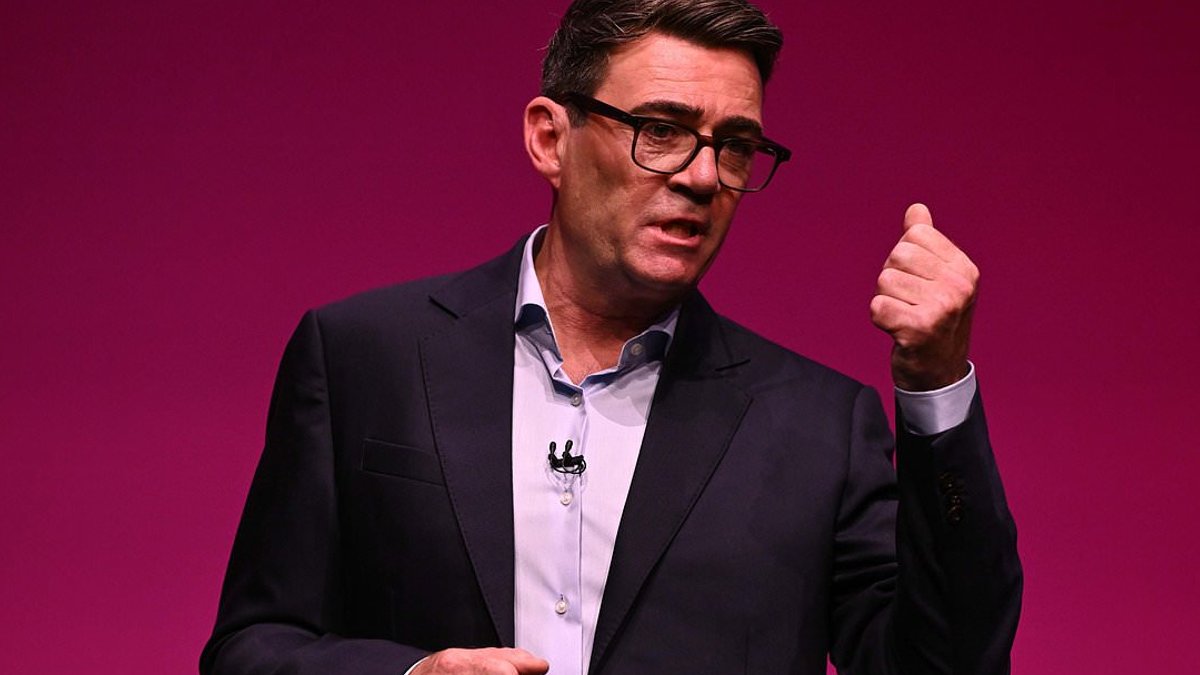
The UK government’s borrowing costs hit a 27-year high this month, showing the financial pressures facing Prime Minister Andy Burnham’s Labour administration. On September 30, the Debt Management Office sold £4.25 billion in ten-year government bonds at a yield of 5.383%. The move reflects growing investor concerns over the country’s rising debt levels and the challenges of funding ambitious public spending plans without triggering further inflationary pressures.
Burnham’s recent announcement to scrap the triple lock on state pensions, a policy that guarantees annual increases based on earnings, inflation, or 2.5%, marks a rare moment of fiscal boldness. The change, which Labour has long resisted, could eventually save the Treasury up to £15 billion over the long term, according to the Institute for Fiscal Studies. However, the immediate savings will be modest, leaving little room for new initiatives like the proposed National Care Service, which could cost between £4 billion and £18 billion by the mid-2030s.
The financial strain extends beyond pensions. Rising bond yields, driven by global uncertainty, including the fallout from the Middle East conflict, are pushing up mortgage rates and corporate borrowing costs. A higher yield on government debt signals higher risks for investors, which in turn slows economic growth. Without significant restraint on public spending, the UK risks falling into a cycle of ever-increasing debt and stagnation.
Burnham’s speech at the Labour Party Conference in Liverpool outlined plans to expand state control over utilities, including water and energy companies accused of environmental neglect. The last Labour government’s seizure of Railtrack in 2002 ended in legal battles and a compensation bill that drained public funds. Burnham has hinted at unlocking new North Sea oil production, but details remain scant. Instead, his administration is pushing forward with GB Grid, a state-backed entity aimed at easing bottlenecks in renewable energy distribution.
The £4 billion allocated to GB Grid will be diverted from Great British Energy, a flagship green energy initiative. Yet even this sum is dwarfed by the £70 billion that private operator National Grid plans to invest in electricity infrastructure by 2030. Opposition to new power lines, often labeled “nimbyism”, could further delay progress, leaving the UK struggling to integrate renewable energy at scale.
A missed opportunity may have been reviving gas storage at the Rough offshore field in Yorkshire, a project stalled for years. With global energy markets volatile, securing additional storage capacity could have provided critical resilience this winter.


Leave a Reply