
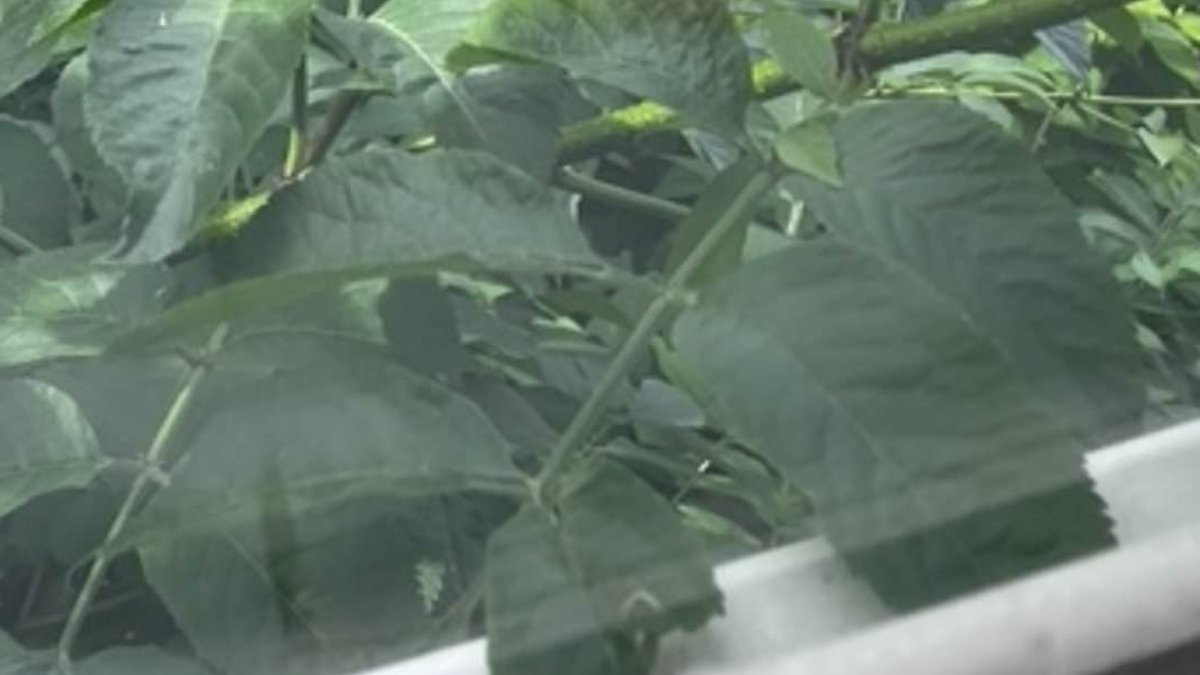
A homeowner reports being unable to open their landing window because a large tree in the front garden has grown to the same height. The property is also described as a “shambles,” featuring two abandoned cars owned by the neighbor’s friends that have remained there for years, alongside a driveway choked with weeds that have destroyed the fence. The tree is covered in blackfly and is now level with the window. Despite requesting a tree surgeon to trim the obstructing branches, the neighbor laughed and ignored the request, leaving the household to address the deteriorating condition of the shared boundary.
Understanding Tree Removal and Liability
It would be sensible to write him a letter outlining all your concerns. One solicitor noted that the neighbor is responsible for maintaining their land where it causes damage or unreasonable interference.
While a homeowner may cut back branches that overhang their boundary, they legally cannot enter the neighbor’s land to do so without permission. Experts recommend taking dated photographs of the garden, the tree, vehicles, and the fence damage to serve as evidence.
It is sensible to notify the neighbour first and check whether the tree is subject to a Tree Preservation Order or located within a conservation area. If the tree is encroaching onto neighboring land, homeowners are generally entitled to cut back branches that cross the boundary.
You should also check whether the tree is protected by a Tree Preservation Order or if the property is in a conservation area before arranging any work. If there is an immediate risk of further damage, the homeowner should state this in their letter and request the neighbor act sooner.
Keep records of previous requests you have made and your neighbour’s responses. This evidence could become important if the dispute escalates.
Read Also: Handmade royal Bentley heads to auction
Determining whether a neighbor’s actions constitute a legal nuisance often depends on the impact on the homeowner’s ability to use their property, making the documented fence damage a critical factor in any potential dispute.
Addressing Vehicles and Garden Maintenance
The two cars can be reported to your local council if you believe they have been abandoned. Councils have powers to investigate and remove abandoned vehicles, including vehicles on private land in certain circumstances.
The abandoned vehicles and general condition of the garden may also be matters that can be reported to the local authority if they are creating a statutory nuisance or affecting the amenity of the area.
Before taking formal legal action, it is advisable to keep a record of all communication and document any ongoing issues. A solicitor can advise on pursuing a nuisance claim, which may involve seeking an injunction where the interference is significant.
If the tree has damaged the fence, homeowners should check their home insurance to see if it covers repairs or provides legal expenses for a claim against the neighbor.
Set out the problems clearly – including the damage to your fence, the tree obstructing your window and any other specific problems caused by the state of the garden. Ask your neighbour to address these issues within 14 days and keep a copy of the letter or email.
Read Also: Mortgage fix saves homeowner money
Defining Legal Nuisance
An untidy garden is not, by itself, necessarily a legal nuisance. The stronger issues here are any actual damage, obstruction, or unreasonable interference with the use of the property.
If the tree is causing damage to the fence, one solicitor recommended obtaining photographs and, if possible, a quote for the cost of repairing it.
Where it can be demonstrated that a failure to maintain land has resulted in damage, there may be grounds to pursue a claim for the cost of repairs.
Options for Resolution
If the neighbor continues to refuse to act, consider mediation before taking court action.
Depending on the evidence, there may be a claim relating to nuisance or damage, but this should be assessed on the particular circumstances.
One legal expert noted that mediation should be considered where attempts to resolve the issue amicably have met with little co-operation.
Read Also: JLL Ireland names new CEO and chairman
Mediation may be helpful if the neighbor does not respond to a letter in a helpful manner.
Homeowners are generally entitled to cut back branches that cross their boundary, provided they do so without trespassing onto the neighbor’s property.
They can trim back the overgrown tree, but only from their side of the boundary.
Councils have powers in certain circumstances to investigate complaints relating to overgrown land, accumulations of waste, and other issues that may affect neighboring residents.
If the interference with the enjoyment of a property is significant and ongoing, a solicitor can advise on seeking an injunction.


Leave a Reply