
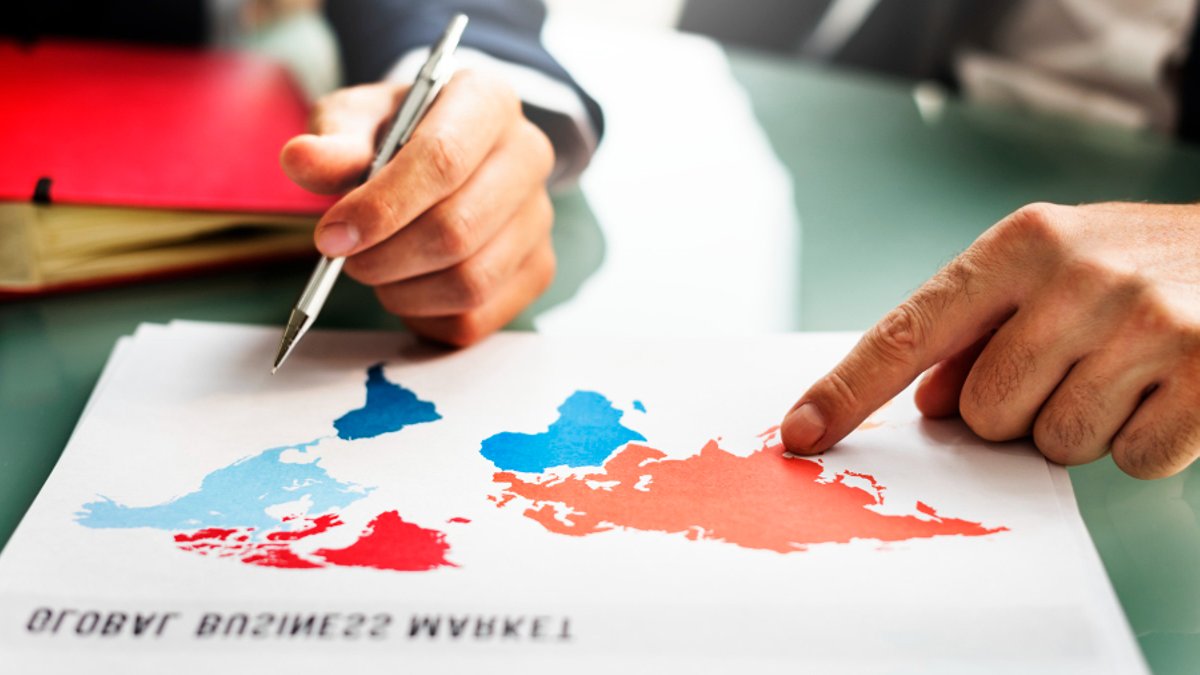
The Asia Pacific Region is the primary driver of global economic growth, accounting for roughly 60 percent of worldwide expansion. This momentum comes from established markets like China, Japan, and Singapore, alongside emerging economies such as Vietnam and Thailand. Consequently, many European firms are targeting the region to reach new customers or improve supply chains. A recent survey found that 46 percent of multinationals plan to expand operations in APAC during 2024.
Treating the region as one market
Despite its vast potential, APAC includes more than 45 countries and a combined population nearing five billion. Organizations often make the mistake of treating this diverse area as a single market. To succeed, a business must target the right territory based on specific goals. What works in Singapore may fail in Vietnam because customer expectations, purchasing power, and competition differ enormously.
Market entry conditions vary significantly. OECD data shows foreign investment restrictions remain much higher in the Philippines, Malaysia, and Indonesia than in Singapore. These differences affect ownership rules and operating requirements. Additionally, tax, auditing, and financial reporting systems differ across jurisdictions. Infrastructure and business practices also vary, requiring a very sharp focus rather than a broad approach.
Choosing the right operating structure
Deciding what “being in” a territory actually means is the next challenge. Some businesses find exporting directly or using a distributor is sufficient. Others require a local sales team, a joint venture, a partnership, or their own legal entity. The choice between direct sales and a local partner has major consequences. An overseas business importing goods into Singapore under its own name could trigger local Goods and Services Tax registration requirements as sales grow. Using a local agent creates a different set of obligations.
The chosen structure affects how a company employs people, signs contracts, invoices customers, protects intellectual property, and pays tax. In Singapore, local employees are generally covered by the Employment Act, which is relatively flexible. In China, a written labour contract must generally be signed within one month of an employee starting work. The operating structure also determines how easy it is to repatriate profits and affects auditing and reporting obligations.
Related Post: Business News: A Deep Dive into Problem Global Commerce and Market Movements in 2025
Expanding across multiple territories multiplies this complexity. Geopolitical conflict, volatile financial markets, new trade tariffs, and evolving tax and regulatory frameworks create ongoing challenges. For example, an Asian manufacturer selling steel or aluminium into Europe faces the EU’s Carbon Border Adjustment Mechanism, which puts a price on embedded emissions. A regulatory change in Europe can therefore affect competitiveness and reporting requirements. This makes it essential for businesses to enter growth strategies with a clear understanding of financial risks and mitigation strategies in place. When a company rushes into a deal without a solid plan, the financial impact can quickly turn a profitable opportunity into a liability.
Ensuring the right support is available
Businesses often rush into cross-border expansion when a new partnership or a large client appears. Moving too quickly can create problems. A UK technology firm might win a major Australian contract that requires employees on the ground within weeks. This opportunity raises questions about payroll, tax, visas, and whether a local entity is necessary. The firm must involve its advisers early. Commercial decisions and compliance decisions cannot always be separated.
Managing the transition to 2026
Businesses must also prepare for specific regulatory changes. The definitive phase of the EU’s Carbon Border Adjustment Mechanism begins in 2026. A regulatory shift in Europe affects competitiveness and the financial case for production in Asia.
Increased complexity has been a constant theme across the global business world over the past 12 months. As businesses expand into multiple territories, that complexity multiplies. This puts a carbon price on embedded emissions for certain goods, such as steel or aluminium, affecting the competitiveness, reporting requirements and ultimately the financial case for a business producing goods in Asia.


Leave a Reply