
The outlook for the global energy transition remains mixed as recent data show both progress and persistent gaps in meeting climate targets.
Current emissions trends and renewable growth
Tracking greenhouse‑gas emissions against a 1.5 °C pathway still shows a shortfall. While zero‑carbon capacity is expanding, it has not kept pace with rising energy demand, leaving overall CO₂ levels higher than needed.
In markets where primary energy demand is flat or falling, the share of renewables in the mix is beginning to rise, and absolute emissions are modestly declining.
Related: Pension schemes fall short for remote workers
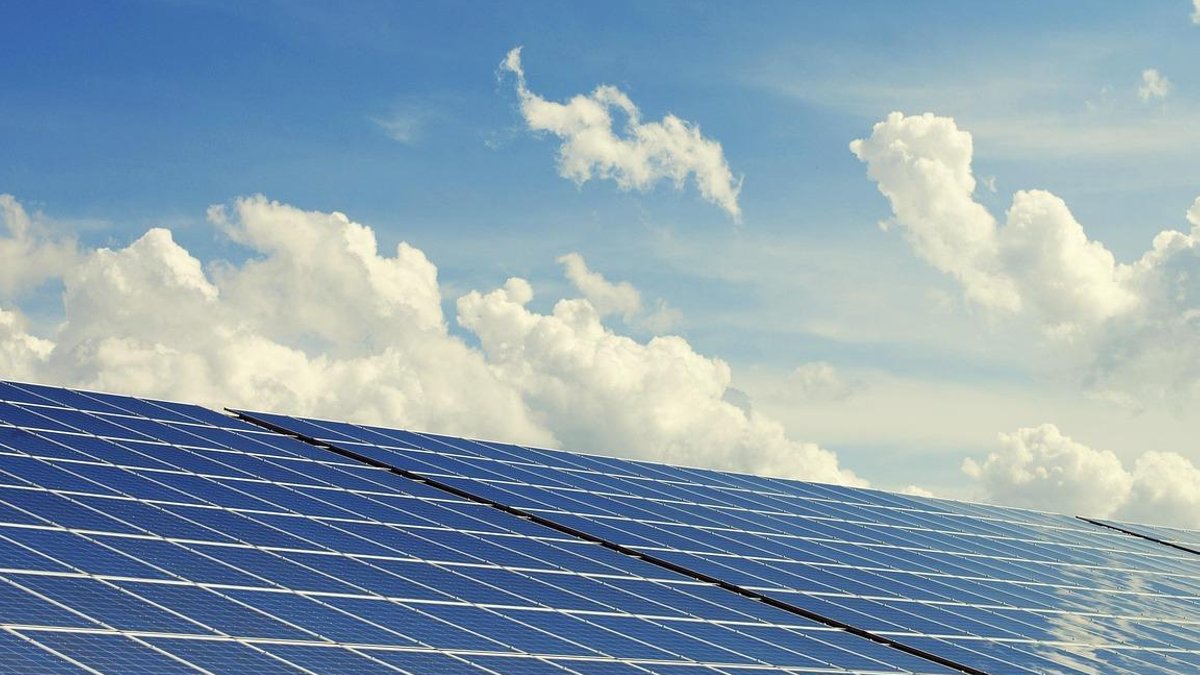
Green capital spending has surged from a low base, but the incremental increase has yet to substantially erode fossil‑fuel investment. Solar installations continue to benefit from falling levelized costs, outpacing earlier expectations. In 2024, more than three‑quarters of the growth in global electricity demand was supplied by zero‑carbon sources—solar 40 %, wind 16 %, hydro 16 %, nuclear 6 % and other renewables 2 %—with fossil fuels covering the remaining 21 % of incremental demand. That fossil‑fuel share spiked due to unusually high weather‑driven demand; a normal year would have required only about 4 % from traditional generators.
Policy, energy security, and market trends
Political commitment to climate goals has waned in several regions, a shift that fuels skepticism about reaching the inflection point where renewables dominate new capacity. Yet energy security concerns are aligning with low‑carbon investments. Countries such as China have seen clean‑energy sectors contribute just over 10 % of GDP in 2023, illustrating how renewable deployment can also bolster economic growth.
Second, the drive for energy security is reshaping priorities. The concept of “energy security” covers uninterrupted supply at affordable prices, encompassing geopolitical and domestic risks. Over the past two decades, the balance among security, affordability and environmental sustainability—often called the energy trilemma—has shifted repeatedly.
Solar, electric vehicles and heat pumps are expected to lead the next decade of transition, while nuclear may only make a noticeable impact after 2035 due to long construction times and high costs.
Related: Pension experts sceptical over CDC schemes
Energy demand is tightly linked to GDP. Decoupling this relationship hinges on three factors: better energy efficiency, broader electrification, and the scaling of zero‑carbon sources. Since 1990, efficiency has improved about 40 %, and electricity’s share of primary energy has risen from under 15 % to over 20 %.
Corporate commitments and realistic scenarios
Corporate net‑zero pledges are a significant piece of the puzzle. Among constituents of the MSCI World Index, 76 % of absolute emissions stem from companies with such targets. If all firms meet their current goals, emissions could fall 23 % by 2030 and 72 % by 2050 relative to 2020 levels.
A more conservative outlook, assuming only half of pledged reductions are achieved, still projects a 16 % cut by 2030 and a 49 % reduction by 2050.
Related: Government tough to reach for many people
These figures illustrate that while the narrative often emphasizes missed 1.5 °C targets, tangible progress is occurring within the corporate sector. The situation is more complex than a binary “on‑track or off‑track” view.
Renewable capacity has finally reached a scale where each added gigawatt meaningfully shifts the overall energy mix. Historically, market analysts have under‑estimated both the speed of cost declines and the deployment potential of clean technologies. Continued innovation could therefore exceed current expectations.
In sum, the global energy transition is advancing, but its pace is uneven and highly dependent on policy choices, market conditions and the ability of renewables to meet both security and affordability goals.


Leave a Reply