
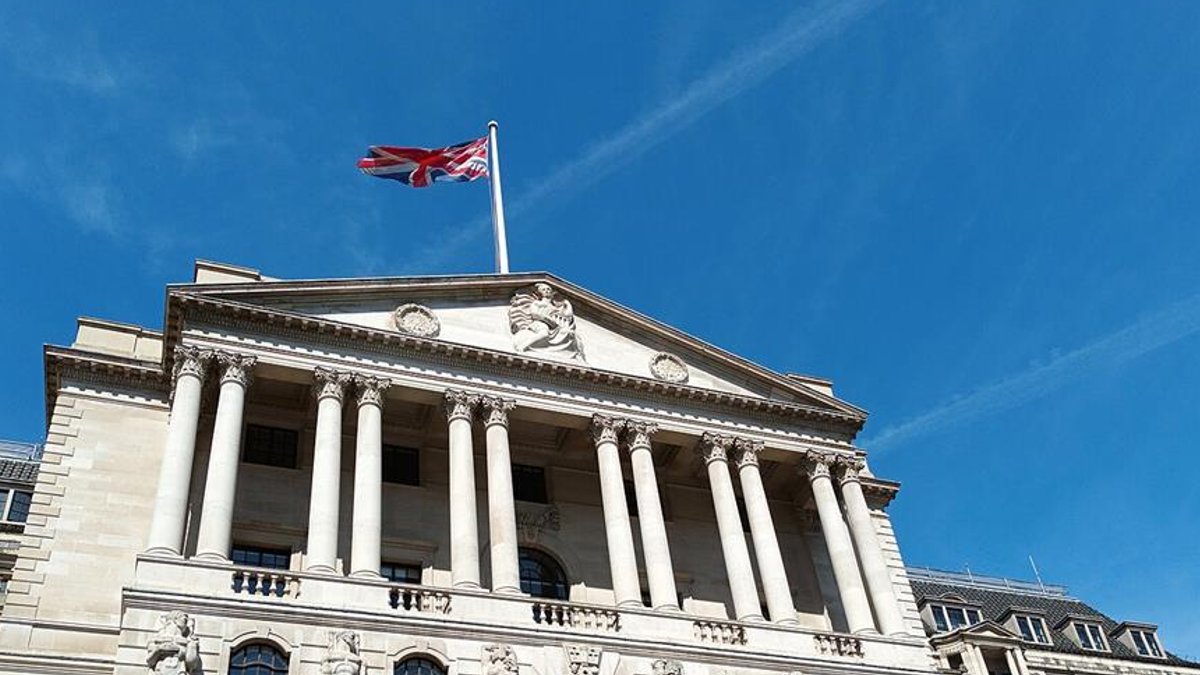
The Pensions Regulator and the Bank of England have each announced new initiatives aimed at better understanding the growing role of private markets in UK pension investing.
Regulator to probe pension schemes’ private‑market exposure
On 8 December, the Pensions Regulator (TPR) said it will examine how defined benefit and defined contribution schemes are allocating capital to growth assets such as private equity and infrastructure. The regulator plans to map the range of investment vehicles available, identify barriers, and highlight enablers that could boost domestic allocations.
“TPR is uniquely placed to engage directly with DC and DB schemes to better understand their approach to investing in private markets and infrastructure, as well as the current challenges and barriers they face,” said Nausicaa Delfas, chief executive of the regulator.
TPR’s market‑oversight team will focus on schemes with “material scale,” meaning those large enough to consider meaningful private‑market positions. Findings will be shared with the government and compiled into an oversight report due early next year.
Related: Nest Enters Venture Capital Market with Big Plans
Julian Lyne, TPR’s executive director of market oversight, added that if trustees fall short of the targets set out in the Mansion House Accord, regulators may urge them to consolidate into larger vehicles that can access more sophisticated investment opportunities.
Data from the Pensions Management Institute shows private‑market allocations across UK schemes have risen from 9 % in 2019 to 26 % this year, a near‑tripling of exposure. The regulator’s work will therefore intersect with a broader trend of pension funds seeking higher returns through illiquid assets.
Bank of England to stress‑test private‑equity and credit markets
Separately, the Bank of England has launched a stress test exercise aimed at the UK’s private equity and debt markets, in an effort to measure how stress situations could affect the wider economy. The exercise will involve working with banks, asset managers, and institutional investors such as pension schemes, and is being conducted with the support of other regulators, including TPR.
The stress test will not assess the resilience of individual firms but will instead explore how a severe global downturn could affect the broader financial system and the UK economy.
Related: SuperChoice hires adviser and Carne Group names president
Both regulators appear to be responding to a policy environment that has encouraged pension schemes to increase domestic exposure. The Mansion House Accord, signed by 17 providers earlier this year, committed participants to allocate more to private markets, provided suitable assets are available.
Comparing this push to earlier efforts, such as the 2022 gilts‑market stress test, the current focus on private‑equity and credit reflects a shift toward assets that sit outside traditional bond markets. While the earlier test targeted a well‑understood segment, the new exercise tackles a faster‑growing, less‑transparent class, suggesting regulators are adapting to changing investment conditions.
The Pensions Regulator’s research and the Bank of England’s stress test together aim to fill data gaps that have long hampered oversight of private‑market finance. By probing both the supply side—how schemes access these assets—and the demand side—how systemic shocks could reverberate—the initiatives could provide clearer guidance for trustees and policymakers.
Stakeholders will be watching closely for the upcoming reports, which are expected to influence future regulatory guidance and potentially shape the composition of pension portfolios for years to come.


Leave a Reply