
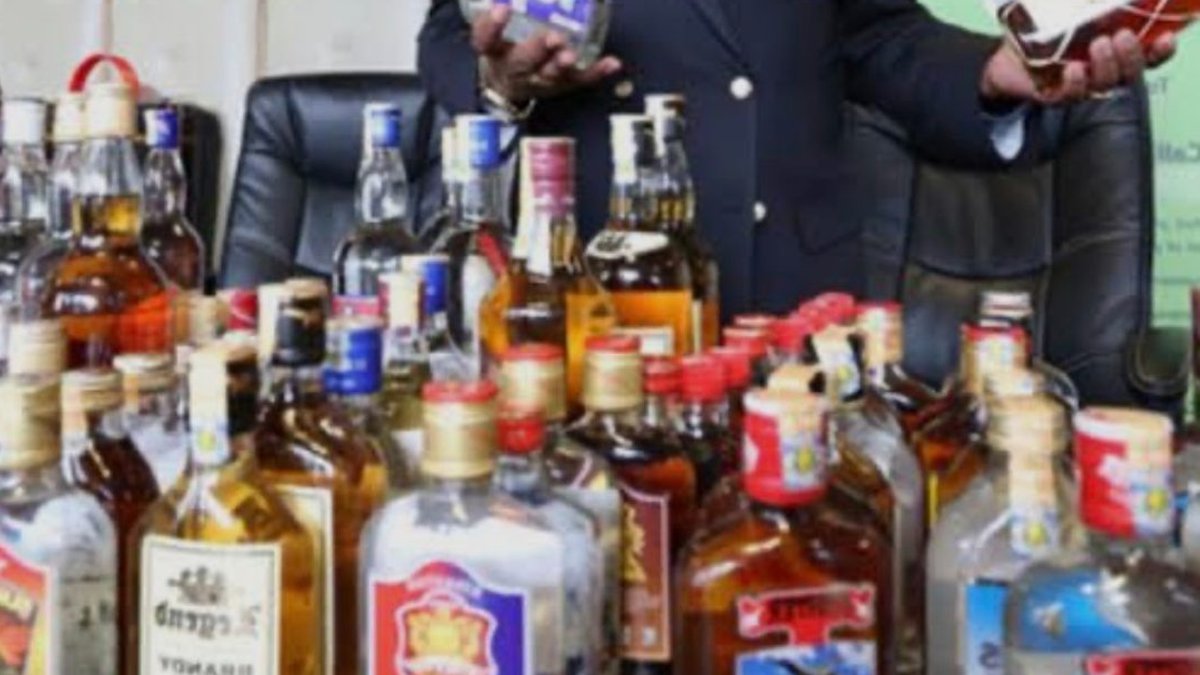
Industry estimates place illicit drinks at about 60 percent of all alcohol consumed in the country, meaning most consumers either unknowingly or knowingly ingest potentially lethal beverages.
The umbrella body Alcoholic Beverages Association of Kenya reported a sharp rise in illness complaints linked to alcohol, describing the scale as unprecedented.
Regulatory challenges
In the 2024/25 financial year, Kenya Bureau of Standards sampled and tested only 69 potable spirit products, all of which met standards. That figure represents a tiny fraction of the thousands of brands circulating.
Many “second-generation” drinks fall outside mandatory testing, allowing falsified ethanol content, forged excise stamps and fabricated batch numbers to enter the market with little pre-market scrutiny.
The shadow alcohol market is valued at roughly Sh 203 billion, according to a 2025 study commissioned by the industry body. Fiscal losses are estimated at about Sh 120 billion each year.
Economic impact and calls for accountability
ABAK chairperson Kui Kinyanjui said protecting Kenyans requires stronger enforcement, disrupted supply chains and accountability for those profiting from the trade. He placed much of the pressure on the Kenya Bureau of Standards, the agency tasked with verifying product quality and safety.
The Anti-Counterfeit Authority estimates the illegal alcohol economy costs Kenya about Sh71 billion each year, while the Kenya Revenue Authority puts lost potential tax revenue at roughly Sh80 billion annually. Those figures align with earlier industry estimates.
Enforcement and cross-border issues
Since a nationwide crackdown began in December 2025, authorities have seized more than 2.8 million litres of illicit alcohol and detained over 900 suspects. In Nairobi, seizures totalled Sh 790 million in the 2025/26 fiscal year, while the Rift Valley recorded over 870,000 litres removed.
Despite these actions, illegal products continue to dominate large market segments, suggesting that seizures alone are insufficient to curb the trade.
In August 2026, Rwanda temporarily halted imports of more than 50 alcoholic products, including five Kenyan brands, pending safety checks. The regulator later confirmed those brands passed inspection.
A UK travel advisory warned of methanol poisoning risks in Kenya. The agency responded by assuring the public that all methanol present in the country is denatured and therefore undrinkable.
Officials from the regulator have not commented on testing failure rates, prosecution outcomes or a detailed response plan, leaving many Kenyans uneasy about the agency’s role amid the ongoing health emergency.


Leave a Reply